
Street racing is not just reckless behavior; in Arizona, it is treated as a serious criminal offense that can lead to jail time, fines, loss of your license, and even a felony record in some cases. Many drivers are unaware that displaying excessive speed or revving their engine at a stoplight can be considered a violation under Arizona law.
This article explains Arizona’s street racing laws, the penalties you could face if convicted, and what defense options may be available. By understanding the law, you will see why it is so important to hire a skilled criminal defense attorney who knows how to handle racing cases.
Table of Contents
- What Counts as Street Racing or Exhibition of Speed in Arizona
- Penalties for Racing in Arizona Under A.R.S. § 28-708
- Real-World Example of Street Racing in Phoenix
- Related Charges That Often Accompany Street Racing Cases
- Defense Strategies Against Street Racing Charges in Arizona
- FAQs About Street Racing Laws in Arizona
- Important Things to Remember About Street Racing Charges in Arizona
- How the Law Offices of Daniel Hutto Can Help If You Are Charged With Street Racing
Whether you are a young driver in Phoenix caught drag racing on the I-10, or someone accused of an exhibition of speed in Arizona after revving your engine next to another vehicle, this article will help you understand what is at stake and how an attorney can fight for your rights.
How an Arizona Family Law Attorney Can Help
Our Phoenix Family Law Attorneys are Here to Help!
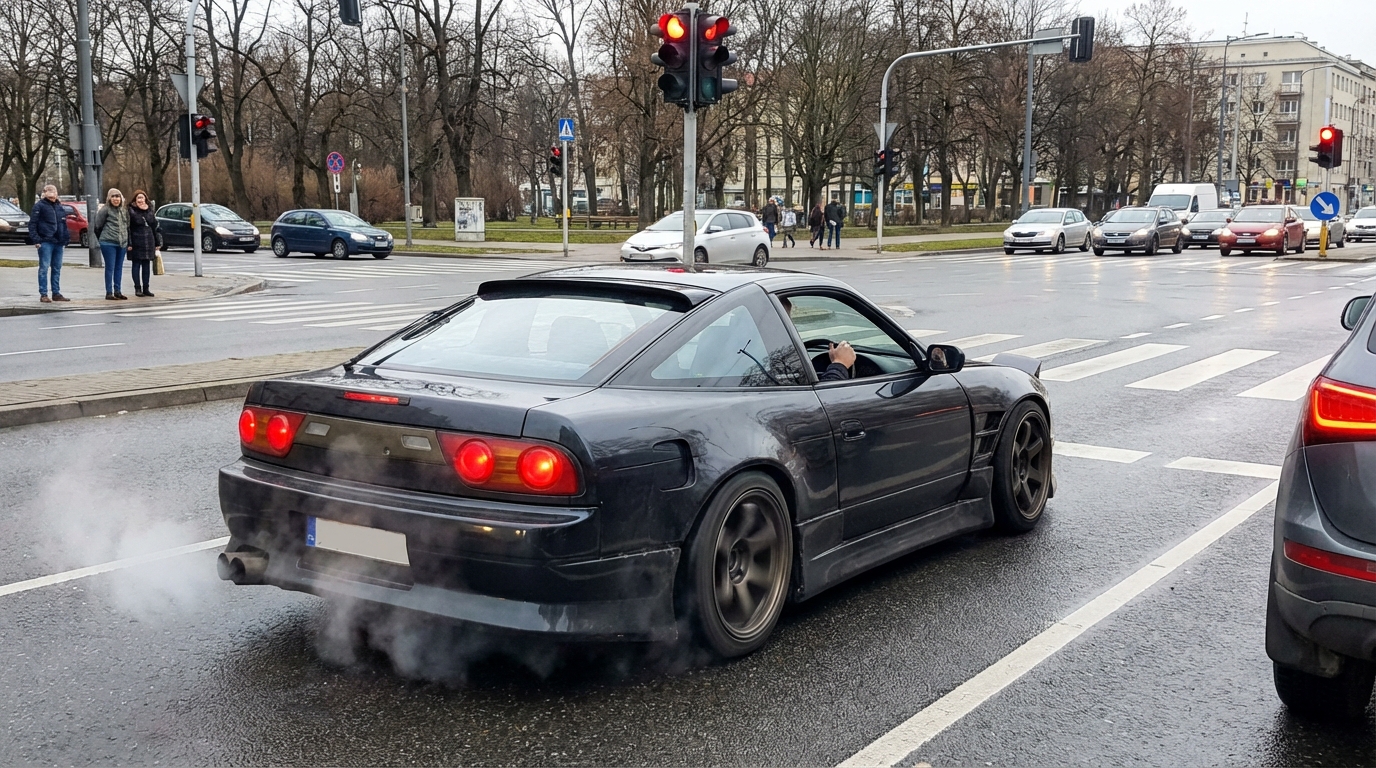
What Counts as Street Racing or Exhibition of Speed in Arizona?
Arizona’s racing law is found in A.R.S. § 28-708, which makes it illegal for any person to engage in racing on highways in Arizona. participate in any manner in a race, speed competition or contest, drag race, acceleration contest, test of physical endurance, or exhibition of speed or acceleration on a street or highway.
This law covers several different driving behaviors, including:
- Drag race: The operation of two or more vehicles side by side, competing in speed or acceleration over a certain distance or time.
- Exhibition of speed in Arizona: Driving in a way that shows off the speed or power of your car, such as spinning tires or accelerating rapidly to impress others.
- Acceleration contest: Racing another vehicle for a certain distance or time limit.
- The purpose of making a speed record: Attempting to set a speed record on a street, even if no one else is racing.
A violation of the racing law does not always require a traditional race. Even if you rev your engine at a stoplight in Phoenix and accelerate in a manner in a race against another vehicle, that could be considered an exhibition of speed.
Arizona courts also consider related charges like reckless driving under A.R.S. § 28-693, which punishes any driving behavior that shows disregard for the safety of persons or property. This means you could face both racing charges and reckless driving charges from the same incident.
Penalties for Racing in Arizona Under A.R.S. § 28-708
Under Arizona law, racing on the highway is treated as a Class 1 misdemeanor for a first offense; you could face days in jail or fines under Arizona traffic laws. A person guilty of a class 1 misdemeanor could face up to six months in prison, fines of up to $2,500, probation, and license suspension.
If you are convicted of street racing in Arizona, the court will notify the Arizona Motor Vehicle Division, and you may face additional penalties under Arizona traffic laws. 8 points will be added to your driving record. This can trigger additional penalties, such as mandatory traffic survival school or a longer suspension of driving privileges.
If you are convicted of a second offense within two years, you may face harsher penalties, including longer jail or prison sentences. Under Arizona’s drag racing laws, the penalties are even harsher. A second or subsequent conviction can be charged as a Class 6 felony, which carries potential prison time. A felony record also means long-term consequences such as loss of gun rights and difficulty finding employment.
Real-World Example: Street Racing in Phoenix
Consider this example: A 20-year-old ASU student in Phoenix is caught late at night on I-10 racing on highways in Arizona against another vehicle. Police radar records both cars exceeding the speed limit by more than 30 miles per hour.
The driver is arrested and charged with racing on the highway. racing on the highway under A.R.S. § 28-708. Because this is a first conviction, it is a Class 1 misdemeanor, potentially leading to days in jail. The student faces up to six months in jail, fines, community service, probation, and a license suspension.
The consequences go beyond the courtroom. Losing a driver’s license means difficulties getting to work or school. Employers who run background checks will see the racing conviction. If the student is eligible for probation, they may avoid harsher penalties. convicted of a second racing offense within two years, it could escalate to a Class 6 felony, with prison time and a permanent felony record.
This shows why hiring a skilled Arizona racing defense lawyer is critical if you are accused of street racing in Phoenix or anywhere in the state of Arizona.
Related Charges That Often Come With Street Racing
Street racing charges rarely come alone. Prosecutors often add other violations to strengthen their case, such as:
- Reckless Driving (A.R.S. § 28-693) – Driving in a manner showing disregard for people or property, such as attempting to prevent another vehicle from passing.
- Driving Under the Influence (A.R.S. § 28-1381) – If alcohol or drugs are suspected during the race.
- Endangerment (A.R.S. § 13-1201) – Placing another person at risk of injury.
- Aggravated Assault (A.R.S. § 13-1204) – If the racing causes serious injury.
These related offenses can turn a misdemeanor racing charge into a felony case with years in prison as a possibility.
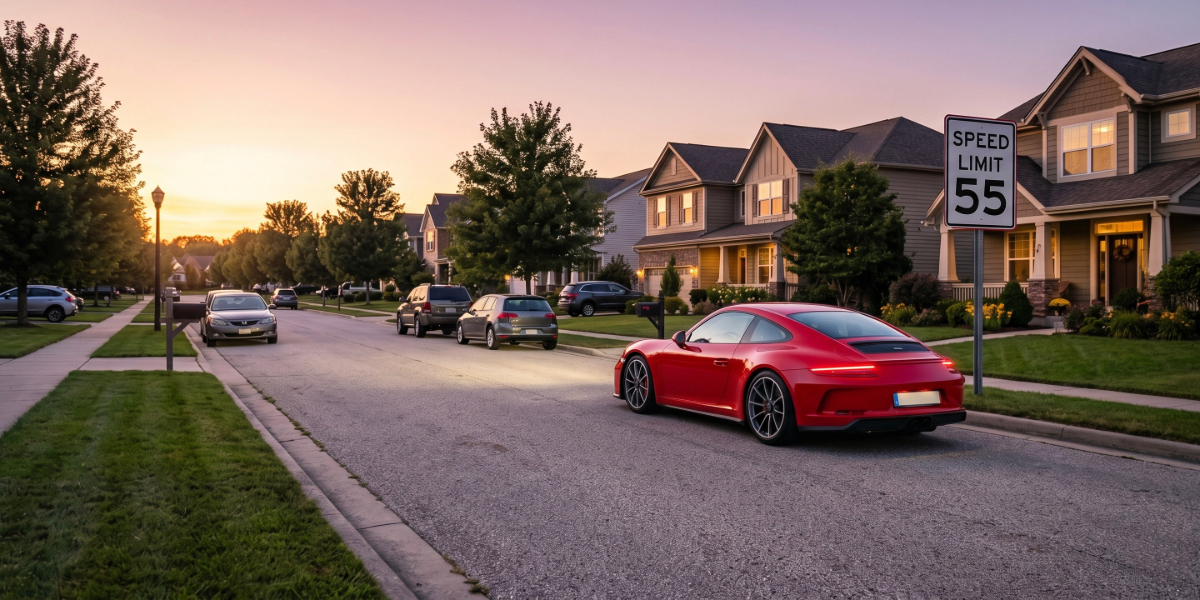
Defense Strategies Against Street Racing Charges
At the Law Offices of Daniel Hutto, our criminal defense team carefully reviews every racing case to find weaknesses in the prosecution’s evidence. Common defense strategies include:
- Unlawful Stop or Search – If police stopped your car without reasonable suspicion or probable cause, evidence of racing may be excluded.
- Lack of Evidence – Prosecutors must prove you engaged in a speed competition or drag race. Without clear video, radar evidence, or credible witnesses, the case may not hold.
- Misidentification of Driver – In racing cases with multiple cars, police may wrongly accuse the wrong driver.
- Violation of Constitutional Rights – Failure to read Miranda rights or improper interrogation methods can weaken the state’s case.
- Negotiating Reduced Charges – Sometimes charges can be reduced to reckless driving or another offense with less severe penalties.
An experienced criminal defense attorney can determine which defense applies to your situation and fight for a reduction or dismissal of charges.
The Law Offices of Daniel Hutto regularly assists families in Maricopa County and Scottsdale in drafting parenting plans that comply with Arizona family law and focus on the child’s best interests.
FAQs About Street Racing Laws in Arizona
Is street racing a felony in Arizona?
Not always. A first conviction is usually a Class 1 misdemeanor. However, a second or subsequent conviction within two years can be charged as a Class 6 felony.
Will my license be suspended after a first conviction under Arizona’s drag racing laws?
Yes, your driver’s license will be suspended for up to 90 days after a first conviction. A second conviction can lead to a much longer suspension.
What if I were only watching a street race?
Under Arizona law, you can be charged if you participate in any manner. Simply watching may not lead to charges, but encouraging or aiding the race could.
Can my car be impounded for street racing charges in Arizona?
Yes, police have the authority to impound vehicles involved in drag racing or racing offenses.
How long will a racing conviction stay on my record under Arizona traffic laws?
Misdemeanor convictions can stay on your record permanently, though some may be eligible for a set-aside after completion of probation under the Arizona Revised Statutes. Felony racing convictions have much harsher long-term effects.
What happens if someone is hurt during a street race?
The offense can escalate to felony charges such as aggravated assault or even manslaughter if there is a fatality. This can mean years in prison.
Important Things to Remember About Street Racing Charges in Arizona
- You can be charged under A.R.S. § 28-708 even without a traditional race, including for exhibition of speed.
- A first offense is a Class 1 misdemeanor with possible jail, fines, probation, and license suspension.
- A second offense within two years can be charged as a Class 6 felony.
- Additional charges like reckless driving or DUI are often added.
- A conviction can impact your license, employment, and insurance rates.
- Police may rely on observation, not just direct evidence of racing.
- Early help from the Law Offices of Daniel Hutto can improve your chances of reducing or dismissing charges.